17 Sep 2026
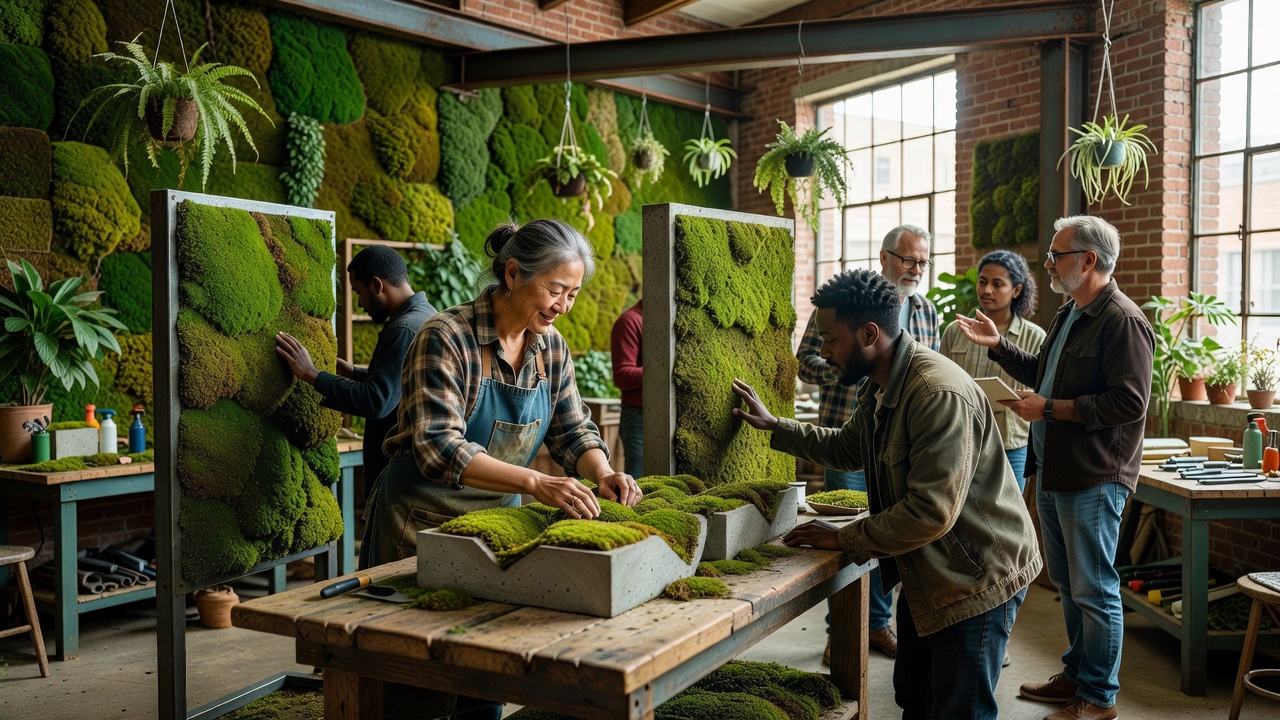
Mosspier enthusiasts represent a diverse group of individuals drawn to the practice of integrating moss into structural and aesthetic designs. These people often share a commitment to sustainable materials and natural elements in their surroundings.
Common Backgrounds Among Participants
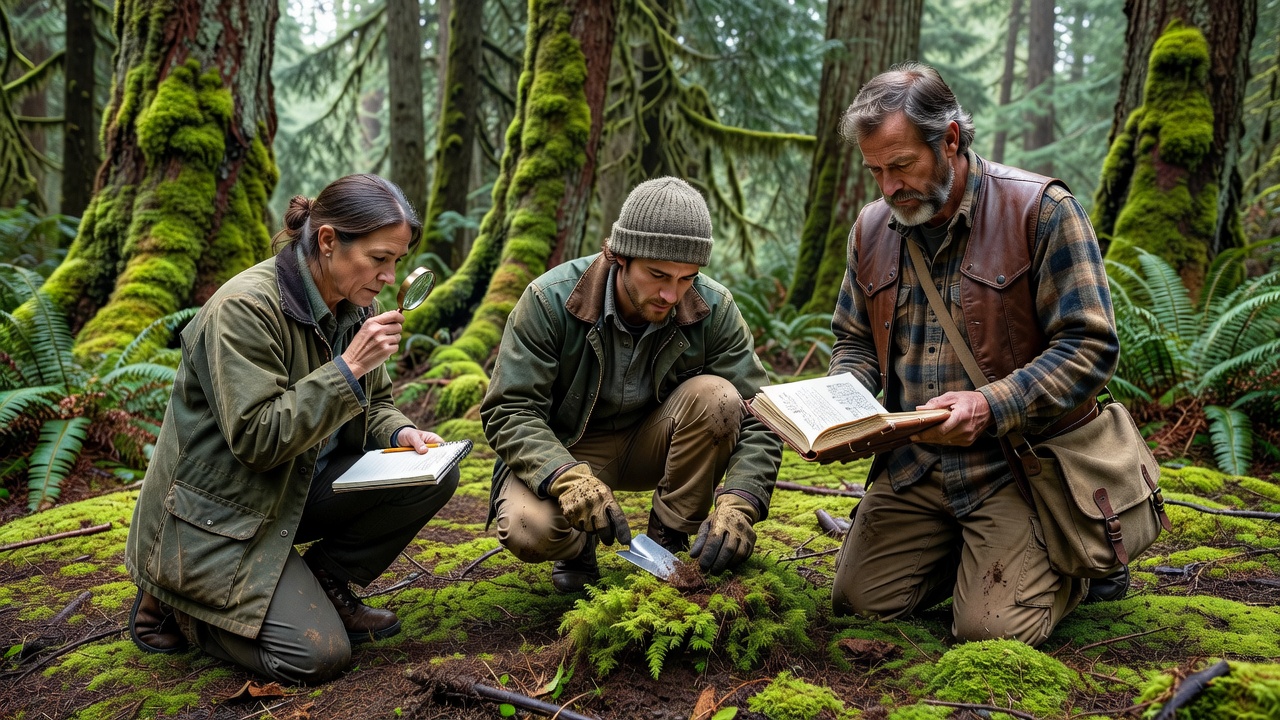
Many Mosspier people come from fields such as landscape architecture, environmental science, and horticulture. Gardeners and hobbyists also form a significant portion, bringing practical skills in plant care and site preparation. Their shared interest lies in exploring how moss can thrive on piers, walls, and other constructed features while contributing to local ecosystems.
Participants frequently cite a desire to reduce reliance on synthetic materials as a key motivation. They value the low-maintenance qualities of moss alongside its ability to retain moisture and support biodiversity. Over time, these individuals develop expertise through observation and hands-on experimentation rather than formal training alone.
Daily Practices and Knowledge Sharing
Mosspier people typically maintain detailed records of moisture levels, light exposure, and species selection for their projects. They exchange tips on sourcing native moss varieties and preparing surfaces to encourage healthy growth. Online forums and local meetups serve as common venues for this information flow, allowing newcomers to learn from more experienced practitioners.
Challenges such as seasonal climate variations and urban pollution are addressed through adaptive techniques. Enthusiasts often test small-scale installations before expanding to larger applications, refining methods based on observed results. This iterative approach helps build reliable outcomes across different environments.
Long-Term Value of Involvement
Engagement with the Mosspier community provides ongoing educational benefits and a sense of connection to like-minded individuals. Members report improved understanding of ecological principles and greater satisfaction from creating functional natural features. The collective knowledge accumulated supports continued innovation in moss-based design without requiring external resources.