10 Jun 2026
What is Mosspier?
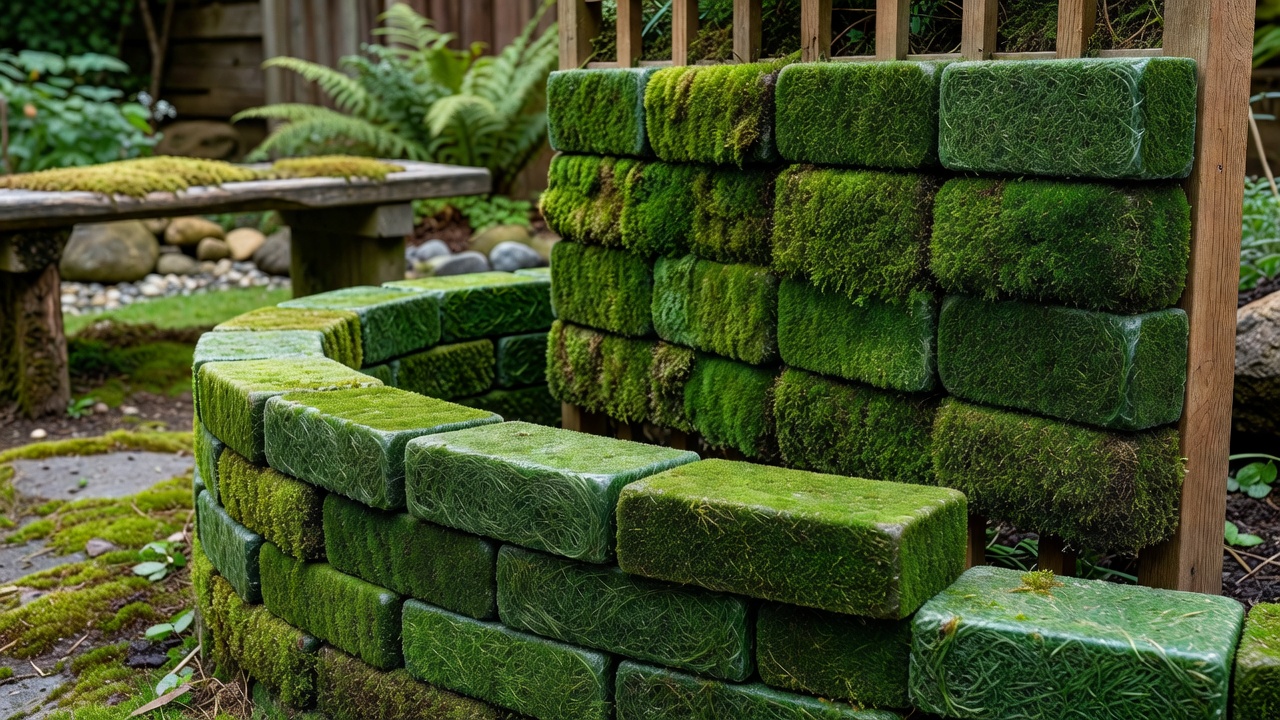
Mosspier refers to a specialized moss-based material designed for structural and decorative applications in outdoor settings. It combines natural moss with durable frameworks to create stable, visually appealing elements that integrate seamlessly into gardens, pathways, and waterfront areas. This approach emphasizes sustainability by utilizing moss that thrives in shaded, moist conditions without requiring extensive maintenance.
The material is typically cultivated on supportive substrates that allow moss to grow while providing long-term stability. Unlike traditional building components, Mosspier adapts to its environment over time, developing a richer appearance as the moss matures. It suits various climates where humidity supports moss growth, making it a practical choice for eco-conscious landscaping projects.
Key Benefits of Mosspier
One primary advantage is its environmental compatibility. Mosspier supports local ecosystems by offering habitat for small insects and retaining moisture in the soil. It also contributes to air quality through natural filtration processes inherent to moss. Durability is another strength, as properly installed Mosspier resists erosion and weathering better than many organic alternatives.
From a design perspective, it provides unique aesthetic qualities. The soft green texture contrasts with harder surfaces like stone or wood, creating visual interest without artificial additives. Cost-effectiveness arises from low upkeep needs, reducing the frequency of replacements or chemical treatments. Users often note improved biodiversity in areas where Mosspier is incorporated compared to conventional hardscaping.
How to Incorporate Mosspier
Start by assessing the site conditions, focusing on shade levels and moisture availability. Preparation involves clearing debris and ensuring proper drainage to prevent waterlogging. Installation typically requires securing the moss panels to existing frameworks using non-invasive methods that allow natural expansion.
Maintenance remains minimal, involving occasional gentle watering during dry spells and removal of fallen leaves. Over several seasons, the material establishes itself fully, enhancing both function and appearance. Consider combining Mosspier with native plants to maximize ecological benefits while maintaining a cohesive landscape design.
Regular monitoring helps identify any adjustments needed for optimal growth. This method proves effective for both residential gardens and larger public spaces seeking sustainable features. By focusing on natural processes, Mosspier offers a reliable option for long-term outdoor enhancements.