1 Jun 2026
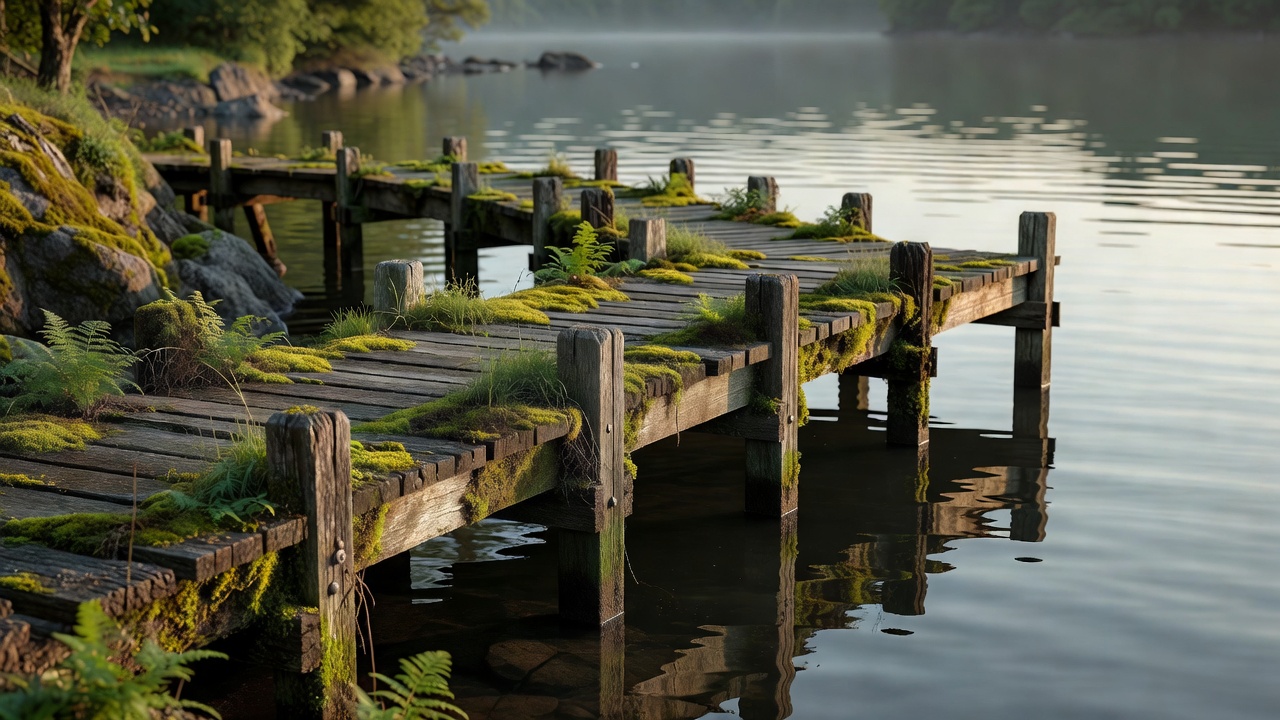
Mosspier represents a thoughtful integration of natural elements into built environments, particularly where structures meet water or land edges. By combining traditional pier construction with moss-based components, it supports ecological balance while providing functional access and stability. This approach draws from longstanding observations of how vegetation interacts with human-made surfaces in damp or shaded areas.
The Ecological Role of Mosspier
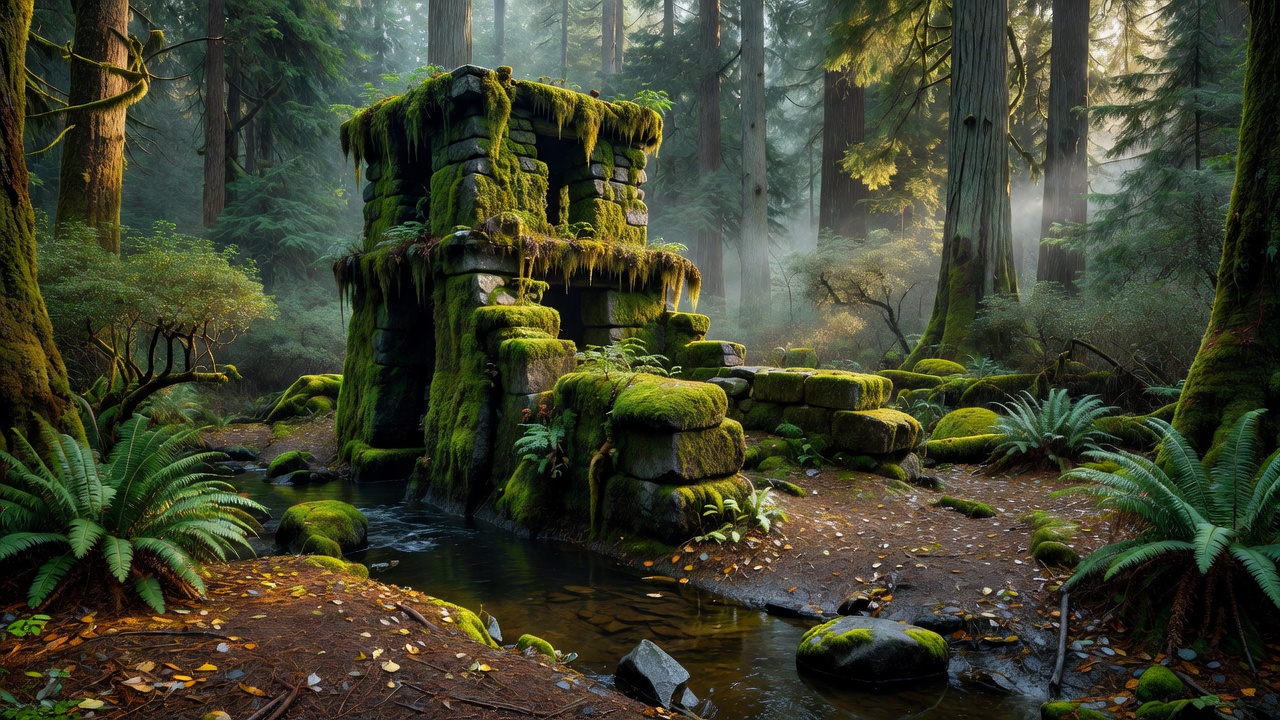
Moss thrives in moist conditions and contributes to moisture retention, temperature regulation, and habitat creation for small organisms. When incorporated into pier designs, Mosspier extends these benefits to waterfront settings. The living layer helps reduce runoff by absorbing rainfall and slowing erosion around support posts. Over time, the moss community can improve air quality nearby through natural filtration processes. Such features align with broader efforts to restore biodiversity in urban or developed coastal zones without requiring intensive maintenance.
Observations from similar vegetated structures show that moss layers can moderate microclimates, keeping surfaces cooler during warm periods. This passive cooling effect complements the primary load-bearing function of the pier. Additionally, the organic surface provides a foothold for insects and microorganisms that form the base of local food webs, gradually enhancing the surrounding ecosystem.
Design Principles Behind Mosspier Integration
Successful Mosspier applications begin with site assessment. Factors such as sunlight exposure, water salinity, and prevailing winds influence moss species selection. Native varieties are preferred because they establish more readily and resist local pests. Structural engineers ensure that added weight from moisture and growth remains within safe limits for the underlying framework.
Materials chosen for the pier itself often include rot-resistant woods or composites that complement rather than compete with moss colonization. Gaps or textured surfaces encourage moss attachment while allowing drainage. Periodic monitoring tracks growth rates and identifies any areas needing adjustment. These steps help maintain both the aesthetic appeal and the structural integrity over many seasons.
Long-Term Value in Landscape Planning
Projects that include Mosspier elements frequently demonstrate resilience against seasonal changes. The combination of rigid support and living cover can adapt to fluctuating water levels more gracefully than conventional hardscapes alone. Property owners and planners note reduced need for chemical treatments or frequent replacements, translating into lower lifetime costs.
By situating Mosspier within wider environmental strategies, communities gain multifunctional infrastructure that serves people while supporting natural processes. Continued documentation of performance across varied climates will refine best practices and expand appropriate applications in both public and private settings.